

Table of Contents
- The Verdict: When High Protein Intake Is Worth It (and When It Isn't)
- How Protein Actually Helps You Lose Weight
- Recommended Daily Protein Intake for Weight Loss
- Best Protein Sources for Weight Loss
- High Protein Diet Side Effects You Should Know About
- Protein Timing and Resistance Training: The Missing Pieces
- Who Should Skip High Protein Intake for Weight Loss
- Making High Protein Work for Your Routine
- Frequently Asked Questions
Last Updated: October 3, 2026
The Verdict: When High Protein Intake Is Worth It (and When It Isn't)
For most people trying to lose weight, a high protein intake is worth it, but only inside a calorie deficit you can stick to. Protein is the most satiating macronutrient, burns more calories during digestion than carbs or fat, and protects lean body mass while you lose fat.
High protein intake helps weight loss through three mechanisms: appetite suppression, a higher thermic effect of food, and muscle preservation. It stops helping when you treat it as a magic number rather than one lever among several.
How Protein Actually Helps You Lose Weight
Protein supports weight loss through three mechanisms, which is why the effect compounds.
Satiety, the Thermic Effect of Food, and Muscle Preservation
Satiety is the fullness protein produces more efficiently than fat or carbohydrates. A protein-forward breakfast often reduces cravings well into the afternoon.
The thermic effect of food is the energy spent digesting what you eat.
Muscle preservation matters most during a caloric deficit. Some weight lost comes from lean body mass unless you give your body a reason to hold on.
Recommended Daily Protein Intake for Weight Loss
Most adults trying to lose weight do well with roughly 1.2 to 1.6 grams of protein per kilogram of body weight per day, above the standard recommended dietary allowance. The RDA prevents deficiency, not optimizes body composition during weight loss, so it is a floor, not a target. In practice:
- Sedentary adults: the RDA is generally sufficient for basic needs, but higher intake often helps with satiety during a deficit.
- Active adults losing weight: aim for the 1.2 to 1.6 g/kg range to support lean body mass.
- People doing regular resistance training: the upper end of that range is more appropriate.
A common mistake is setting a protein target and ignoring macronutrient balance. Protein does not replace dietary fiber, nutrient density, or the carbohydrates that fuel training. Treat protein as the anchor of the plate, not the entire plate.
The Protein Ceiling: Why More Isn't Always Better
There is a practical protein ceiling beyond which extra intake stops delivering weight-loss benefits. Once you have enough for muscle protein synthesis and satiety, more protein mostly just adds calories, the "more is better" fallacy in action. Needs scale with body weight and training load, not ambition. If you are at the upper end of your range and still hungry, add dietary fiber and vegetables, not another scoop.
Best Protein Sources for Weight Loss
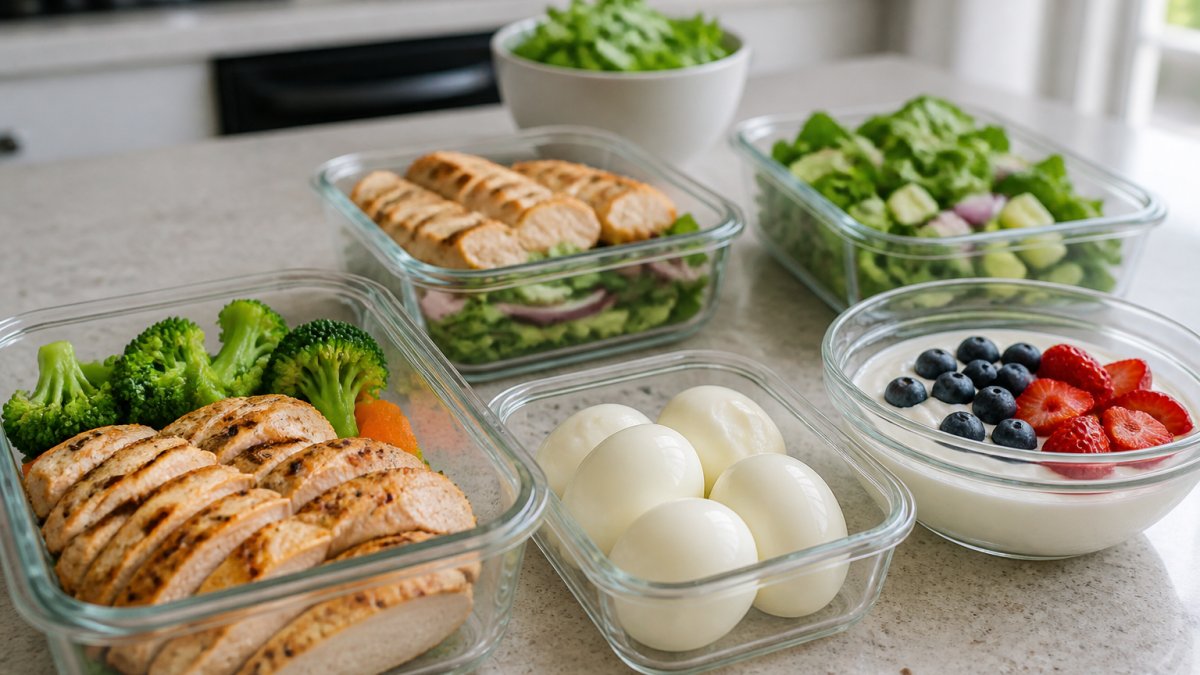
Strong everyday options include:
- Skinless poultry, fish, and lean cuts of meat
- Eggs and Greek yogurt
- Whey or plant-based protein powder for convenience
Pair protein with foods that keep you full without blowing your calorie budget. Caloric density decides: grilled fish and sausage can carry similar protein but very different calorie loads.
Plant-Based vs. Animal-Based Protein
Plant-based and animal-based proteins both support weight loss, but differ in protein quality and bioavailability. Animal sources tend to be complete proteins with all essential amino acids in efficiently used proportions; many plant sources are lower in one or more amino acids, though combining them across the day closes that gap.
| Source Type | Protein Quality | Bioavailability | Best For |
|---|---|---|---|
| Animal-based | Complete amino acid profile | Generally higher | Those wanting efficient protein per calorie |
| Plant-based | Often incomplete alone | Generally lower | Those avoiding animal products |
| Blended powders | Combined for completeness | Moderate to high | Convenience and consistency |
High Protein Diet Side Effects You Should Know About
High protein diets are generally well tolerated by healthy adults, and side effects follow predictable patterns. Most trace back to three causes: pushing intake up too fast, neglecting fiber and fluid, or a pre-existing condition that changes the risk calculus.
Digestive Discomfort
Bloating, constipation, and GI sluggishness are the most common complaints, and they have a mechanical explanation. Protein-rich foods like meat, eggs, and dairy contain little fiber, so when they displace fiber-rich carbohydrates, bowel regularity suffers. A sudden jump from 60 to 150 grams per day also overwhelms the gut's adaptation.
Kidney Function
This concern generates the most anxiety and misinformation. For people with healthy kidneys, higher protein intake has not been shown to cause kidney damage. The kidneys filter byproducts like urea and creatinine and adapt to higher loads by increasing filtration rate, a normal response, not an injury. The picture changes with existing chronic kidney disease, where protein is a clinical variable a nephrologist manages directly.
Bone Health
The old claim that high protein leaches calcium from bone has been largely overturned. Current evidence suggests protein supports bone mineral density, particularly in older adults, provided calcium and vitamin D are adequate (pubmed.ncbi.nlm.nih.gov). Protein provides bone's structural matrix but needs calcium as the mineral filler, skimping on dairy, leafy greens, and fortified foods while loading up on protein is the actual risk pattern.
Hydration and Electrolytes
Higher protein intake increases urea production, so your kidneys need more water to excrete it. Modest for most people, but relevant if you train hard, sweat heavily, or eat very high-protein in a hot climate. Drink enough that urine stays pale yellow, and watch electrolytes if you are also cutting carbohydrates, which causes additional water loss.
Short-Term vs. Long-Term Safety
The short-term picture is well established: a few weeks to a few months of higher protein intake is safe for healthy adults, and that is when most weight loss occurs. The long-term picture is less studied but reassuring, populations habitually eating higher-protein diets show no elevated rates of kidney or bone disease.
Who Needs Medical Guidance First
A few groups should not self-manage a high-protein plan: people with chronic kidney disease, certain liver or metabolic conditions, anyone taking medications that affect kidney function, and people with a history of disordered eating. For everyone else, side effects are manageable with gradual increases, adequate fiber, and enough water.
Protein Timing and Resistance Training: The Missing Pieces
Most weight-loss guides stop at total daily protein and never explain distribution or training. That is a real gap: research on muscle protein synthesis points to two variables beyond the daily total, per-meal dose and training stimulus. Getting both right separates a diet that preserves muscle from one that quietly burns it.
Why Distribution Matters
Muscle protein synthesis is pulsatile: each meaningful dose of protein triggers a rise lasting roughly three to four hours. Eating 120 grams in one sitting produces one pulse; spreading it across four meals produces four. For most adults, roughly 0.3 to 0.4 grams per kilogram of body weight per meal, often cited as about 25 to 40 grams, maximally stimulates synthesis at that meal.
A Practical Distribution Template
For a 180-pound (about 82 kg) adult targeting roughly 130 grams of protein per day, a workable spread looks like this:
- Breakfast: 30 to 35 grams, Greek yogurt with whey stirred in, or eggs plus cottage cheese
- Lunch: 30 to 35 grams, chicken, fish, or tofu with legumes
- Afternoon snack (optional): 15 to 20 grams, a shake or a high-protein dairy serving
This hits the per-meal threshold at each main meal and improves satiety across the day, a weight-loss benefit independent of muscle.
Resistance Training: The Signal That Protects Muscle
Protein provides the raw material for muscle protein synthesis, but resistance training provides the signal. Without a training stimulus, the body has little reason to hold onto muscle during a caloric deficit, and protein alone will not fully prevent lean mass loss, the difference between losing weight and losing fat.
Pairing Protein With Training
Timing around training is less rigid than supplement marketing suggests. The old 30-minute "anabolic window" has been softened by newer research: total daily intake and per-meal distribution matter more than an exact post-workout minute. A protein dose within a few hours of training is still a reasonable habit, train late afternoon, make dinner the post-workout meal.
The Unique Angle: Timing as a Satiety Tool
Most timing talk focuses on muscle, but for weight loss, distribution is also an appetite-management strategy. Front-loading protein at breakfast and lunch reduces evening cravings, when most calorie overruns happen. Someone eating 20 grams at breakfast and 60 at dinner fights hunger all afternoon; someone eating 35 and 35 does not.
Who Should Skip High Protein Intake for Weight Loss
High protein intake is not right for everyone. A few groups should approach it with caution or skip it.
- People with chronic kidney disease: protein intake should be guided by a physician, since kidney function is directly involved.
- Those with certain metabolic or liver conditions: medical guidance comes first.
- Anyone with a history of disordered eating: rigid macro tracking can do more harm than good.
For everyone else, the question is not whether high protein intake is worth it, but how to make it fit a routine you will actually keep.
Making High Protein Work for Your Routine
People who succeed with a high protein intake are rarely the ones with the perfect plan, they made protein the easy choice by keeping convenient sources on hand and building meals around a protein anchor. A simple framework:
- Pick your daily protein target based on body weight and training.
- Choose three or four protein sources you genuinely enjoy.
- Build each meal around one of them, then add vegetables and a starch.
- Adjust total calories down until the scale moves, keeping protein steady.
- Add resistance training two or three times a week to protect lean body mass.
To break a weight loss plateau, the answer is usually not more protein but a smaller deficit, more movement, or better sleep.
That is where NovoWeight fits. We make it simpler to hit your protein target with transparent, single-formula products and full ingredient panels, no proprietary blends and no hidden additives.
Frequently Asked Questions
How much protein should I eat daily for weight loss?
Most research suggests 1.2 to 1.6 grams of protein per kilogram of body weight daily supports weight loss while preserving lean body mass. For a 150-pound adult, that's roughly 82 to 109 grams per day. Going higher than 1.6 g/kg rarely adds benefit for weight loss and may crowd out other nutrients. Your exact target depends on activity level, age, and whether you're in a caloric deficit.
Does high protein intake help with satiety?
Protein consistently ranks highest among macronutrients for appetite suppression. It slows digestion, stabilizes blood sugar, and triggers hormones that signal fullness. Studies show people eating higher-protein meals consume fewer calories at subsequent meals without trying. This satiety effect is one of the main reasons high protein intake supports weight loss even when calories aren't strictly tracked.
Are there any risks to a high protein diet?
For most healthy adults, short-term high protein intake is safe. Potential high protein diet side effects include dehydration, constipation if fiber is low, and digestive discomfort. People with existing kidney disease should talk to their doctor before increasing protein. Long-term safety data beyond one to two years is limited, so periodic checkups and bloodwork are wise if you stay on a high-protein plan.
What are the best sources of protein for weight loss?
The best protein sources for weight loss combine high protein density with low calories. Skinless poultry, fish, eggs, Greek yogurt, cottage cheese, and lean beef deliver complete amino acids with minimal fat. Plant options like lentils, tofu, edamame, and tempeh work well too, especially when paired for a full amino acid profile. Whey or plant protein powders help busy people hit targets without extra prep.
Can you lose weight on a high-protein diet without exercise?
Yes, but results differ. High protein intake alone supports satiety and slightly raises energy expenditure through the thermic effect of food, which can produce weight loss. Without resistance training, though, some of that weight comes from muscle. Adding even two short strength sessions per week helps preserve lean body mass and keeps your metabolic rate from dropping as you lose weight.
Losing weight while keeping the muscle you worked for is the hard part, and most people quit because the plan is too complicated to maintain. NovoWeight strips that down: transparent single-formula protein and creatine, full ingredient panels, and honest pricing with no hidden costs, all made in the USA in cGMP facilities. Get started with NovoWeight and build a routine you can actually keep.